
Periodontal disease is a “silent” threat in feline health. Understanding the progression from plaque to tartar (calculus) is essential for providing effective hygiene solutions to your clients.
Pathophysiology: How Tartar Forms
Biofilm Development: After feeding, food residues mix with bacteria to form a sticky film called Plaque.
Mineralization: If not removed within 24–72 hours, minerals in saliva calcify the plaque into Tartar.
Clinical Risks: Untreated tartar leads to Gingivitis, Periodontitis, and potential systemic organ damage.
At-Home Tartar Control Strategies
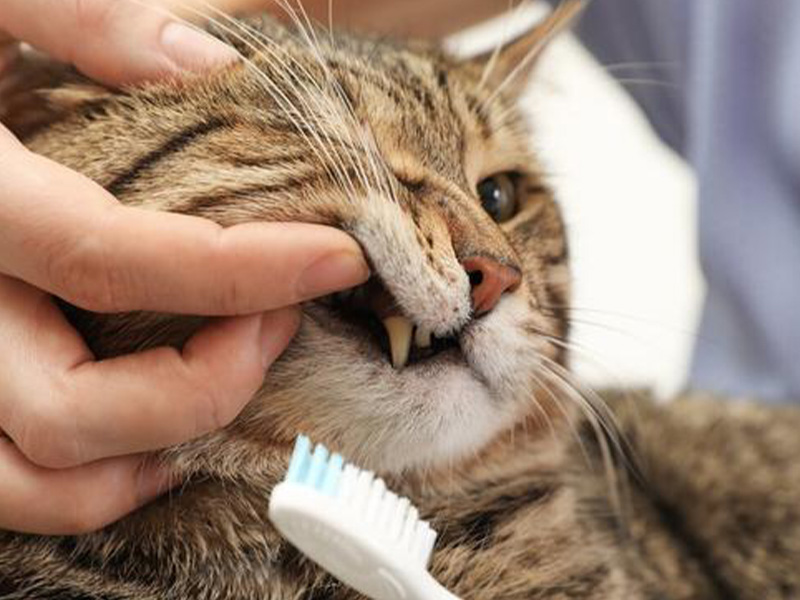
Enzymatic Brushing: Daily brushing with cat-specific enzymatic toothpaste is the gold standard for breaking down plaque.
Nutritional Intervention: Dental diets and VOHC-approved chews provide mechanical abrasion to scrub tooth surfaces.
Antiseptic Gels: Chlorhexidine-based rinses or gels reduce the oral bacterial load, preventing early calcification.
Professional Intervention: Ultrasonic Scaling
When tartar becomes mineralized, professional veterinary care is required:
Ultrasonic Scaling: Performed under general anesthesia to safely remove calculus above and below the gumline.
Post-Op Recovery: Includes monitoring and anti-inflammatory support to ensure gum healing.
Long-Term Prevention Protocol
Strict Daily Routine: Combine brushing with functional dental treats.
Hydration: Constant access to fresh water helps flush food particles.
Regular Screenings: Semi-annual oral inspections during wellness exams.
Summary for Business Partners: Dental hygiene products are essential, high-retention consumables. Educating your market on the risks of tartar builds long-term demand for your oral care product line.
Ready to expand your oral care inventory? Contact BoryPet today for premium pet dental supplies and professional marketing assets!
 English
  Español
  한국어
한국어  ไทย
ไทย