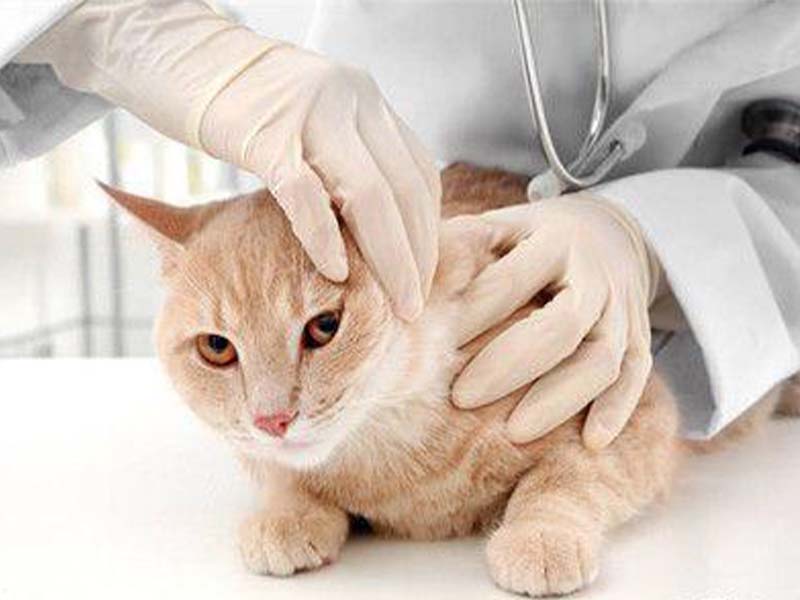
Urethral obstruction is a critical veterinary emergency, particularly in male felines. For pet professionals, educating clients on early detection and environmental prevention is a high-value service that builds long-term trust.
9 Clinical Red Flags of Urinary Distress
Identify these symptoms to prevent life-threatening complications:
Pollakiuria: Abnormally frequent attempts to use the litter box.
Stranguria: Prolonged straining with little to no urine output.
Micro-clumps: Presence of numerous, unusually small urine clumps in the litter.
Vocalization: Crying or howling due to intense pelvic pain during micturition.
Periuria: Urinating outside the designated litter box area.
Hematuria: Visible blood in the urine.
Abdominal Sensitivity: Tense, swollen bladder that is painful to the touch.
Excessive Grooming: Intense licking of the genital region to soothe irritation.
Systemic Distress: Vomiting and lethargy, indicating potential uremic poisoning.
Emergency vs. Monitoring Protocols
Critical Emergency (24h+): If no urine has passed for 24 hours and the bladder feels firm (like a hard ball), immediate veterinary intervention is required to prevent kidney failure.
Active Monitoring: If partial urination occurs, monitor the cat’s behavior hourly. If symptoms persist beyond 24 hours, clinical evaluation is necessary.
Etiology: Why Obstructions Occur
Crystalluria: Concentrated urine due to low water intake leads to crystal formation.
Idiopathic Cystitis: Stress-induced bladder inflammation triggered by environmental changes.
Dietary Factors: High ash content or improper pH balance in dry kibble.
Preventative Hygiene & Environmental Strategies
Hydration Stations: Utilize fountains to encourage high water turnover.
Litter Hygiene: Maintain a pristine litter environment with low-dust, antimicrobial litter. Daily scooping reduces bacterial load and stress-related inflammation.
Stress Reduction: Ensure litter boxes are placed in private, quiet locations to avoid “environmental guarding” behavior.
Summary for Business Partners: Urinary health is often a reflection of environmental management. By providing high-standard supplies—from specialized diets to premium, low-dust cat litter—you provide the essential foundation for feline wellness and recurring client satisfaction.
Ready to enhance your health-focused product line? Contact BoryPet today for professional pet supplies and comprehensive B2B marketing support!
 English
  Español
  한국어
한국어  ไทย
ไทย