
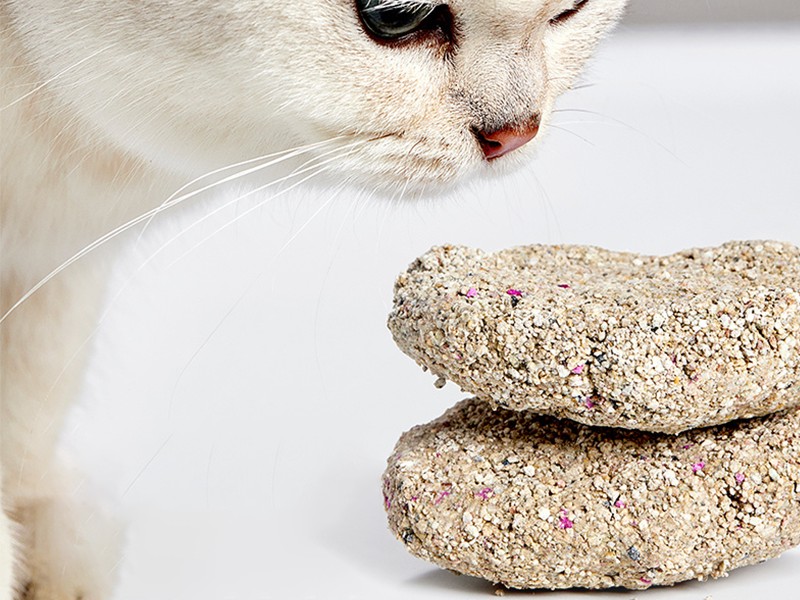
Mineral cat litter, primarily composed of natural clays like bentonite, is the most widely used substrate in the global pet industry. Its popularity stems from its high absorption and natural texture.
Composition & Mechanism
Material: Naturally occurring bentonite clay processed into granules.
Mechanism: When exposed to liquid, the sodium bentonite expands and forms solid clumps.
Odor Control: Often infused with activated carbon or minerals to neutralize ammonia on contact.
Key Performance Benefits
Superior Clumping: Forms tight, hard clumps that are easy to scoop, ensuring a clean litter box.
Instant Absorption: Rapidly soaks up moisture to prevent bacterial growth and “soggy” trays.
High Feline Acceptance: The sandy, fine texture mimics the natural environment, ensuring cats use the box instinctively.
Cost-Effectiveness: It is the most affordable option for high-volume retail and budget-conscious consumers.
Common Technical Challenges
Dust Levels: Standard clay can generate dust; BoryPet uses multi-sifting technology to minimize this.
Tracking: Small granules can stick to paws; using a lower-tracking grain size helps.
Sustainability: Clay is a mined mineral and is not biodegradable or flushable.
Weight: It is heavier than plant-based litters, which impacts sea freight logistics.
Professional Selection Guide for Distributors
Prioritize Low-Dust Formulas: Look for “HEPA-sifted” or “99% dust-free” labels to reduce customer complaints.
Focus on Unscented Options: Professional buyers prefer unscented or lightly scented litters to prevent feline respiratory irritation.
Grain Size Customization: Fine grains clump better, while coarse grains reduce tracking.
Summary for Business Partners: Mineral (Bentonite) litter is a reliable, high-demand product with stable sales. It is the foundation of any successful pet supply inventory due to its performance and affordability.
Ready to secure your supply? Contact BoryPet today for wholesale pricing and customized OEM solutions on premium mineral litter!
 English
  Español
  한국어
한국어  ไทย
ไทย